
The double standard nobody in this industry no is willing to name out loud until now.
Listen on all podcast platforms: https://creators.spotify.com/pod/profile/createdbyginamarie/
Follow on Instagram: https://www.instagram.com/ginamariefit
Follow on TikTok: https://www.tiktok.com/@ginamariefit
Website and Blog: https://ginamariefit.com/
Let me paint you a picture.
Someone walks into a room and they have clearly had work done. Botox that has smoothed every line. Filler that has contoured their cheekbones and lips into something that did not exist five years ago. And the room responds with you look amazing. Tell me your injector.
Now that same person is struggling with their weight. They have tried the diet, the exercise, the discipline, the years of effort that produced inconsistent results because their body was working against them in ways that willpower alone was never going to fix. And their doctor prescribes a GLP-1 medication. And it works. And they mention it online.
And suddenly the room has a completely different response. You are taking the easy way out. That is cheating. You have not earned it. You should just eat less and move more.
Both are injections. Both modify the body. Both are personal medical decisions made between an individual and their healthcare provider. And yet one is a wellness flex and the other is a moral failure.
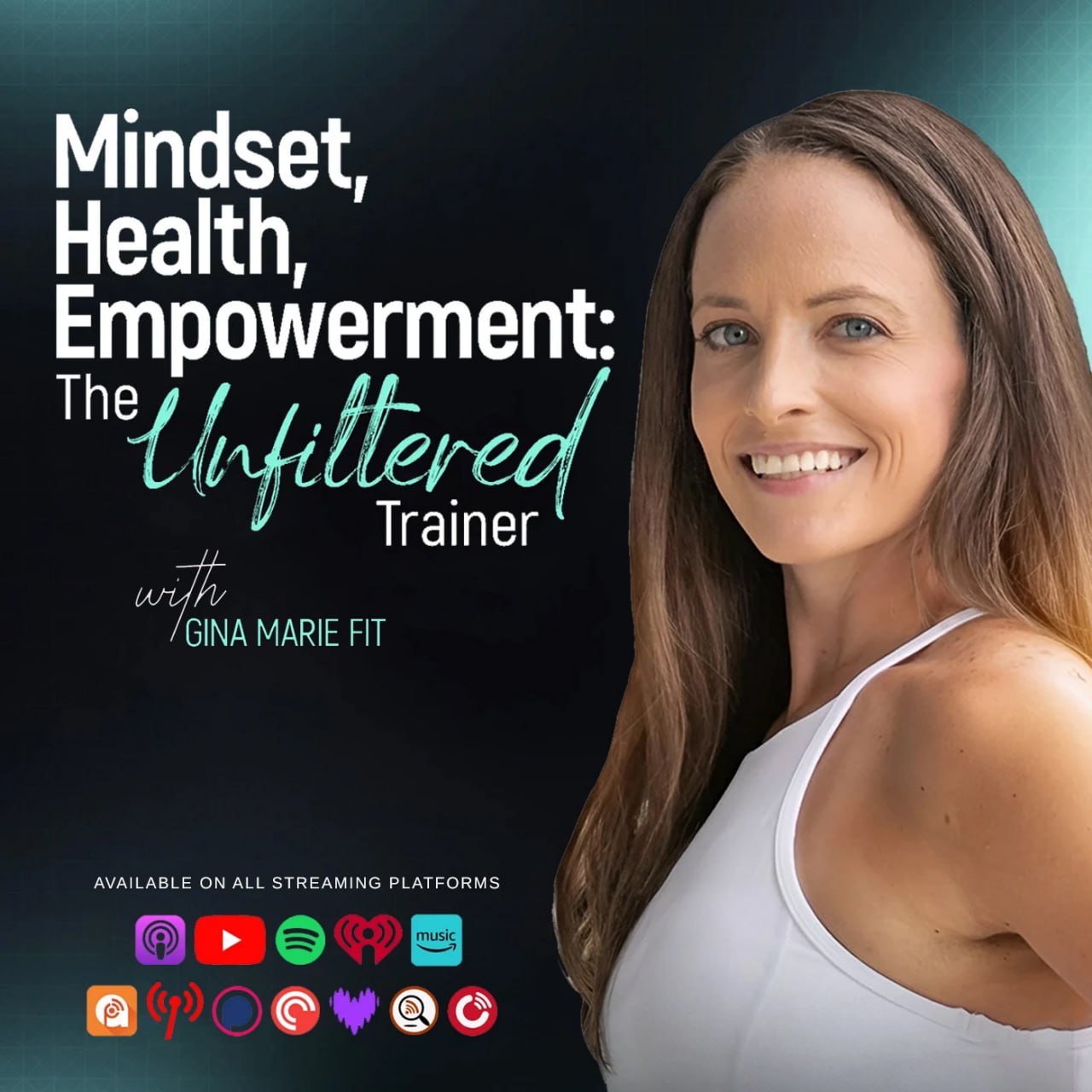
That is a double standard. A glaring, hypocritical, industrywide double standard. And Episode 113 of Mindset, Health, Empowerment: The Unfiltered Trainer is naming it directly.
“The judgment was never about the medication. It was about who was using it.”
The Double Standard Nobody Is Naming
Botox is botulinum toxin injected into muscles to reduce the appearance of wrinkles. It is cosmetic. It does not treat a disease. It changes the way a person looks because they want to look different. And it is so normalized in the wellness and fitness industry that people post about their injector like they post about their personal trainer.
Dermal fillers are injectable substances used to add volume and contour features. Again cosmetic. Not medically necessary. Not treating a health condition. And again celebrated, recommended, shared openly on social media as an act of self-love.
GLP-1 receptor agonists are prescription medications originally developed to treat type 2 diabetes and now prescribed for chronic weight management. They are prescribed by a doctor. They are regulated by the FDA. They treat a legitimate medical condition.
Now tell me. Which one of those three deserves to be shamed.
Because the wellness industry has decided it is the last one. The prescription medication treating a medical condition prescribed by a licensed physician gets the judgment while the cosmetic injections that change your face for aesthetic reasons get the tutorial and the referral code.
“Both are injections. Both modify the body. So why is one a wellness flex and one a moral failure?”
What the Judgment Is Really About
The GLP-1 criticism is rarely about the medication itself. At its core it comes back to one belief. Weight loss has to be earned. It has to be hard. The struggle is the point. And if you found a way to make it less miserable you did not really do it.
That belief is not about health. It is about morality. And the morality attached to weight and weight loss in this culture is one of the most damaging and least examined frameworks in the wellness space.
We have built an entire cultural framework around the idea that the validity of a health outcome is measured by how much it cost you to achieve it. This framework is not based in science. It is not based in medicine. It is a moral framework. A work ethic applied to the human body. And it has been so thoroughly embedded in fitness culture that most people in the industry do not even recognize it as a framework. They experience it as truth.
GLP-1 medications disrupt that story. They say that maybe the suffering was never the point. That maybe the body was fighting against the approach not because the person was not trying hard enough but because the approach was not addressing what was actually happening physiologically. And that is deeply threatening to people whose entire identity is built on the suffering framework.
The Fitness Industry’s Selective Standards
The fitness industry likes to present itself as a space built on natural achievement and authentic transformation. But it has a very selective memory about which modifications count as natural and which ones do not.
Performance enhancing drugs are widespread in the fitness and bodybuilding industry. The physiques held up as the gold standard of hard work and discipline — many of them are not achievable without pharmaceutical assistance. And not just GLP-1 assistance. Full pharmaceutical protocols that produce results that diet and training alone cannot replicate. And yet the industry continues to present these physiques as aspirational natural achievements.
Cosmetic surgery in the fitness space is normalized. Liposuction. Tummy tucks. Body contouring procedures that remove fat and reshape the body surgically. These are common and often not disclosed. And nobody is telling the fitness influencer who had liposuction that they took the easy way out.
The fitness industry has also had a significant and largely unaddressed problem with disordered eating that gets repackaged as discipline, clean eating, and commitment to the craft. Extreme restriction celebrated as dedication. And then the same industry that celebrates restriction turns around and judges a person for taking a medication that reduces the compulsive food noise that has made their relationship with eating a source of suffering for years.
“If the standard does not apply to everyone it is not a standard. It is a preference.”
The Weight Stigma Underneath All of It
The GLP-1 debate cannot be separated from weight stigma. And weight stigma is where all of this judgment ultimately lives.
GLP-1 medications are not new. When they were primarily a diabetes medication the conversation was very different. It was a medical treatment for a medical condition and nobody was calling it cheating. When they became associated with weight loss in people who are overweight suddenly the conversation changed. The medication did not change. What changed was who was visibly benefiting. And the judgment followed the stigma not the science.
One of the most important things GLP-1 research has revealed is that the experience of hunger, appetite, and metabolic response to diet and exercise varies enormously between individuals. The person who finds it relatively easy to maintain a calorie deficit is not more disciplined than the person who finds it agonizing. They have a different neurological and hormonal experience of hunger. When someone finds a medication that addresses those physiological realities and the playing field levels, that is not cheating. That is medicine doing what medicine is supposed to do.
There are real people on the receiving end of this judgment. People who have spent years fighting a body that was working against them. Who have tried every approach the industry recommended. Who found something that works. And instead of being supported they are judged. By an industry that claims to be about health and empowerment. By people who have modified their own bodies in ways that were never subjected to this standard.
What Bodily Autonomy Actually Looks Like
Bodily autonomy means you get to decide what happens to your body. Not your trainer. Not a wellness influencer. Not an industry that has built its authority on a specific aesthetic and a specific narrative about how that aesthetic is achieved.
You. In consultation with your doctor. Based on your specific physiology, your specific health history, your specific goals, and your specific life.
And bodily autonomy applies consistently. It does not apply only to the modifications the industry has decided are acceptable. You do not get to celebrate filler and condemn semaglutide. You do not get to support surgical body modification and dismiss pharmaceutical support for a metabolic condition. The standard applies to everyone or it applies to no one.
At the end of all of the debate there is only one question that actually matters when it comes to what someone else does with their own body. Does it help them? If the answer is yes that is enough. It has always been enough. And no one else’s opinion about the method gets to change that.
“The only question that matters is does it help them. That has always been enough.”
Listen to Episode 113 of Mindset, Health, Empowerment: The Unfiltered Trainer wherever you get your podcasts. Subscribe so you never miss a Tuesday episode. Share this with every trainer and wellness professional who has ever had an opinion about what someone else does with their own body.
Listen on all podcast platforms: https://creators.spotify.com/pod/profile/createdbyginamarie/
Follow on Instagram: https://www.instagram.com/ginamariefit
Follow on TikTok: https://www.tiktok.com/@ginamariefit
Website and Blog: https://ginamariefit.com/